Other Professions
If your profession isn't listed here, feel free to give us a call on 1800 210 213 and we'll be happy to help you.


If you're forced to defend your professional reputation, you'll want the best support behind you.
Our policies include three types of insurance in one designed specifically for working professionals combining: professional indemnity insurance, public liability insurance, and product liability insurance.
Product liability
Insurance that covers you if a product you sell or supply causes injury or property damage. This includes things like a client getting sick or injured from items such as foam rollers, orthopaedic pillows or massage tools.
Extra benefits of this insurance policy
 Nil basic excess on liability claims
 Run-off cover which protects you when you’ve ceased practising permanently
 Cover for legal costs and expenses associated with complaints to your registration body, disciplinary proceedings or a coronial inquiry
 Provides a 21-day cooling-off period, allowing you to change your mind after purchasing coverage
 Ongoing education through our RiskHQ, providing you with relevant and informative information on the risks that matter to you
 Round-the-clock support with 24 / 7 claim support line availability
To find out more or to get your hands on our policy wording, simply call us on 1800 810 213.
FAQs
The law governs that any professional exercise the required skill to an appropriate level expected by that profession. A professional may be liable for financial loss, injury or damage arising from an act, error or omission of fault if the professional has not acted to the required level of skill deemed in that profession. Failure through this may result in the claimant (person who suffered the loss) be awarded for that loss, damage or injury.
Many professions require you to hold a professional indemnity insurance policy by law, such as Ahpra registered professions, but can be for other industries such as financial institutions also. Please check with your registration body or associations of your profession to know if it is required by law to have professional indemnity insurance. It is often also required by companies who take on contract workers that are not governed under the companies own insurance policy. It is acceptable for a company to ask you as the professional contractor to provide evidence of cover for professional indemnity before starting the contract period.
As stated above professional indemnity insurance covers you for breaches in relation to your professional duty. Liability insurance covers you for activity that results in personal injury or property damage as a result of your business activities that do not relate to your specific profession. An example may be someone who trips and is injured from spilled water within your office may be covered under liability, because it is your duty of care as business person to provide a safe environment. Whereas a person who suffers a loss or injury because of your professional treatment in relation to your job has caused it would usually be consider as an indemnity breach.
Generally business insurance is to cover the physical assets of your business for material damage loss and options for theft cover. It can also include cover for financial loss due to business interruption. Usually basic insurance does not cover breach of duty or flood cover, but if you speak to an insurance specialist it can often be added to your policy for a nominal fee.
Depending on the policy you are taking out, covers will often vary. At Guild insurance we specialise in making a policy to suit your business so that you are not over paying for covers you wouldn't normally need. The best thing to do is call 1800 810 213 to speak to an insurance specialist, they can find out what activities and structure your business is in to then provide you with adequate cover for you.
A certificate of currency (or COC for short) is a written document that confirms that your insurance policy is current and valid at a specific date and time. At Guild we provide easy access to your COC at any time within a few clicks of our online portal PolicyHub. If you are a new customer we can provide you with one post purchase.
Partnership with leading industry associations
Guild is the principal partner of many leading industry associations and has been for years.
We work closely with your association to tailor an insurance policy suited to your unique needs.
Insurance for students studying
As a student, we understand you’ve got enough to worry about between completing your studies, getting enough practice hours in and preparing yourself for working with clients. The last thing on your mind is insurance cover. But one small accident could set you back for life.
To find out whether your studies are covered by insurance, click here.

Not just an insurance policy
Risk articles with RiskHQ

You can visit RiskHQ at any time to read up about the unique risks you face as a working professional. We cover a variety of risk management topics, from managing complaints, to social media risks, maintaining your business, and much more.
Guild’s guide to a risk free holiday season.
With the holiday season approaching, it's time to remind ourselves of the possible threats to our homes and cars during this time. In the lead up to what should be a fun and festive time with loved ones, it's important to think about what you can do to protect your valuable assets during this period.
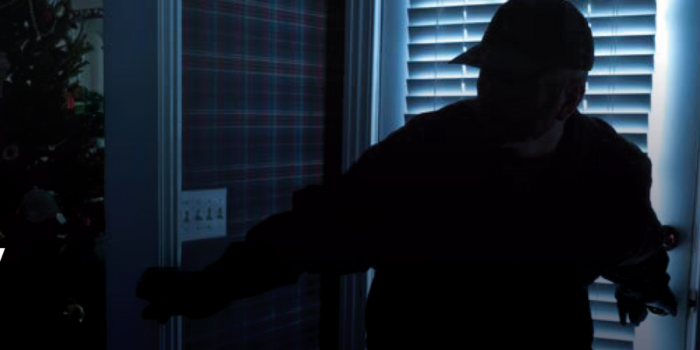
Thefts and burglaries increase at this time as a lot of crime is opportunistic; thieves know that houses and cars might be full of newly purchased gifts. Thieves also know that with people away on holidays, there is an increased opportunity to break into cars and homes.
However, holiday dangers aren’t just about thefts and burglaries. People also need to think about what they can do to protect their homes and cars from damage or unnecessary costs while on holidays, as well as keeping themselves safe.
Protecting your home
Before heading off on holidays:
- Be mindful of how you dispose of packaging of gifts or newly purchased items. A bin full of boxes for items such as televisions, game consoles or tablets lets people know what valuable items are in the home.
- Ask a friend or neighbour to collect your mail. A build-up of mail is a sure sign someone isn’t home.
- Use a timer to have your house lights turn on and off at certain periods of the day, creating a look of someone being in.
- Consider what appliances can be turned off within your home. While usage is low, many appliances continue to use power even when they aren’t being used. Items to consider turning off include hot water tanks, televisions, microwaves and computers. However, be sure to think about what you're turning off before you quickly switch off all power; for example, fridges and freezers, unless empty, should be kept on.
- Clear out your gutters. A build-up of leaves and other debris creates a fire hazard as well as a risk of an overflow of water entering the roof space during a storm.
Protecting your car
- If leaving your car at home while on holidays, where possible leave it locked securely in a garage or somewhere else out of sight. Thieves will notice a car sitting in the same spot every day which hasn’t moved.
- Don’t keep valuables in sight that could entice those opportunistic thieves. This applies to items used all year, such as mobile phones. However, over the holiday season it also applies to shopping bags which are clearly full of new items.
- When taking your car on holidays, be sure you have some sort of roadside assistance or breakdown coverage to protect you during those unexpected moments.
- If sharing driving duties during a road trip, be sure the insurance policy for the car covers all drivers.
- Take regular breaks on long drives by either swapping drivers or taking rest breaks. Also, when on long drives, plan your stops to allow for petrol fill ups and food and drink stops.
- Be particularly careful when driving at dawn and dusk as visibility generally isn’t as clear as during the day.
- Travel
- Professional
- Break-in
- Insurance
- Travel
- Trips
Insurance for your Businesses
If you run a clinic and need insurance for your premises, equipment, and more, visit our information on business insurance.

*Coverage up to $20 million requires your selection of cover up to this limit during the quote and purchase process.


Write a review Average rating: